
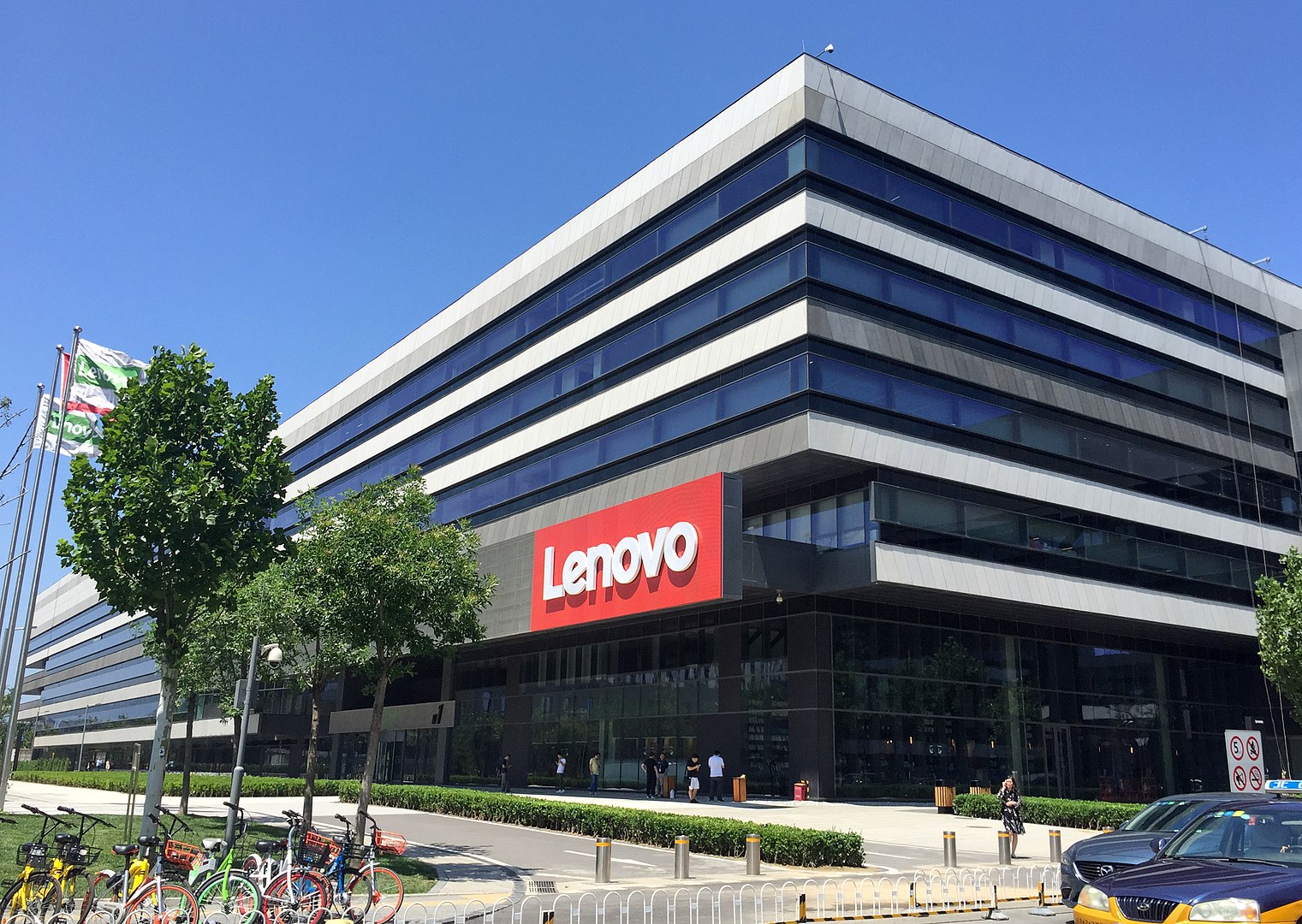
Lenovo Group Limited announced record results for the first quarter of its 2025/26 fiscal year, driven by a clear strategy: making artificial intelligence the central focus across its entire business. The company reported revenues of $18.8 billion, marking a 22% year-over-year increase, while net profit more than doubled to reach $505 million.
These figures underscore the message from President and CEO Yuanqing Yang, who highlighted Lenovo’s ability to navigate tariffs and geopolitical tensions thanks to supply chain resilience and a global-local operational model that combines large-scale manufacturing with local adaptations.
> “These record results emphasize our ability to stay competitive and grow sustainably. Our hybrid AI strategy, focused on personal AI and enterprise AI, is the lever for a smarter future for everyone,” Yang stated.
—
PCs and Smartphones: The Revival of Traditional Business with Integrated AI
The smart devices division (IDG) shined again, with revenues rising by 18% year-over-year to $13.5 billion, and achieving a historic leadership in the PC market with a 24.6% share.
– More than 30% of Lenovo’s PCs now integrate AI capabilities, strengthening its leadership in the Windows AI PC segment with a 31% global market share.
– The smartphone business also demonstrated strength, growing by 14%, with a significant milestone: Motorola leads the worldwide foldable phone market (flip and fold) with over 50% share, thanks to the success of the Razr model.
This rebound shows Lenovo’s success in transforming a mature market like PCs into a new category: agent-native devices designed to serve as entry points into the personal AI ecosystem.
—
Infrastructure and Services: The Other Half of the Growth Engine
The Infrastructure Solutions Group (ISG) grew 36% year-over-year, with revenues reaching $4.3 billion, driven by strong demand in AI and liquid cooling infrastructure, which grew 30%. The Services and Solutions Group (SSG) also hit record figures, generating $2.3 billion in revenue, up 20%, with an operating margin above 22%.
Services such as TruScale Infrastructure-as-a-Service and TruScale Device-as-a-Service experienced double- and triple-digit growth, establishing SSG as the most stable profitability driver within the group.
—
Sustainability as a Strategic Value
Lenovo reaffirmed its commitment to sustainability:
– It reiterated its goal of achieving net zero emissions by 2050.
– Continues to incorporate recycled materials in its products.
– Received international accolades from EcoVadis (Platinum), MSCI (AAA), and CDP (A-list).
Additionally, Lenovo was ranked in the Top 25 of Gartner’s global supply chains and climbed 52 spots on the Fortune Global 500 list, reaching position 196 — its best ranking ever in the tech sector.
—
Lenovo Looking Ahead: The “Hybrid AI Advantage” Era
With R&D investments growing over 10% year-over-year, Lenovo is moving toward building “AI Twins” for individuals and enterprises—digital agents that learn and work alongside users.
The company anticipates that integrating AI into PCs, mobile devices, servers, and cloud services will spark a new cycle of sustained growth, positioning Lenovo not only as a hardware leader but also as a key player in hybrid AI solutions.
—
Frequently Asked Questions (FAQ)
1. What does Lenovo’s hybrid AI strategy involve?
It combines personal AI (on devices) and enterprise AI (in the cloud and servers), aiming to deliver intelligent experiences to both individual users and organizations.
2. What is Lenovo’s market share in AI-enabled PCs?
Lenovo leads the global Windows AI PC segment with a 31% share, with over 30% of its shipments already being AI-integrated PCs.
3. How does Motorola contribute to the group’s results?
Motorola has achieved a milestone with foldable phones, capturing over 50% market share in foldables, fueling growth outside of China’s smartphone division.
4. What role do services play in Lenovo’s growth?
Services and solutions like TruScale yield margins over 22%, making them the most stable and strategic division of the group.
5. What advancements has Lenovo made in sustainability?
The company aims for climate neutrality by 2050, uses recycled materials, and has received top ESG ratings worldwide.
6. Why is Lenovo a supply chain benchmark globally?
Its “Global/Local” model combines mass production with regional adaptation, ensuring efficiency and resilience amid trade or geopolitical tensions.
via: Lenovo
